
How Auto Insurance, Endorsements, and Out-of-Pocket Payment Options Handle Emergency Roadside Incidents
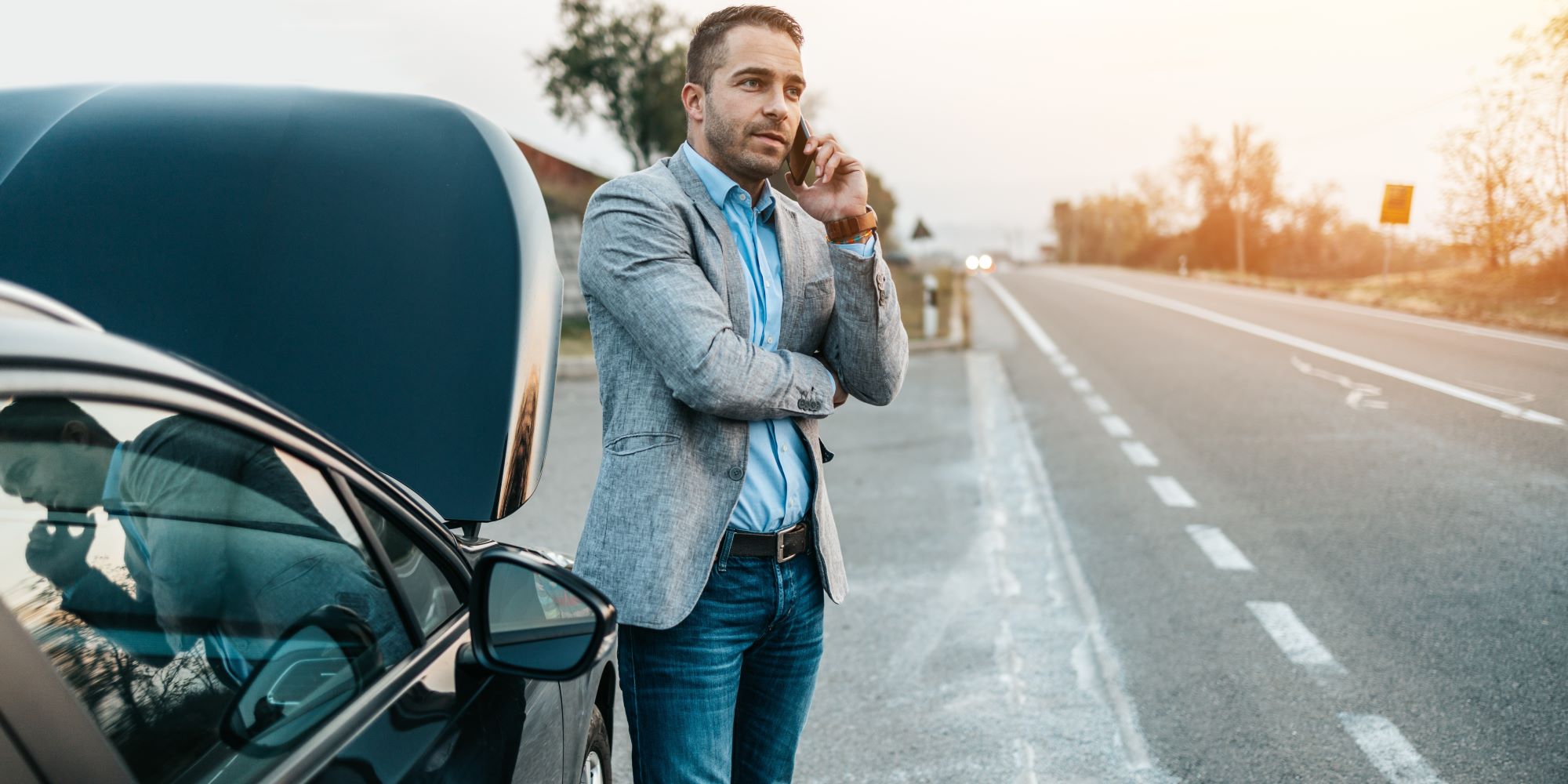
Experiencing a sudden vehicle breakdown on Interstate 680 or returning to a dead battery in a shopping center lot near Contra Costa Boulevard leaves drivers facing immediate logistics decisions. Beyond ensuring personal safety, the most pressing question for many motorists is how to pay for the service and whether their auto insurance will cover the claim. Obtaining reliable roadside assistance in Pleasant Hill, CA often involves navigating insurance endorsements, club memberships, or direct out-of-pocket payments to local service providers. Understanding how coverage policies assess breakdown situations helps drivers make financial decisions during an emergency.
Auto insurance policies do not automatically include towing or roadside assistance unless specific coverage add-ons are included in the policy. Comprehensive and collision coverage primarily apply to physical damage to the vehicle resulting from accidents, vandalism, or natural events. In contrast, mechanical failures, flat tires, and electrical dead starts are typically covered under optional roadside endorsements or specialized club programs. Knowing how these distinctions operate prevents unexpected costs when calling for professional dispatch along Contra Costa County transit corridors.
How Insurance Policy Structures Address Emergency Roadside Services
Insurance coverage for towing and emergency repairs varies based on policy terms, elective add-ons, and the underlying cause of the vehicle’s failure. Policyholders must recognize which form of coverage applies to their specific roadside incident.
Collision coverage comes into play when a vehicle is rendered undrivable due to a traffic accident. If a vehicle collides with another car or a stationary object, the cost of emergency flatbed towing from the scene to an approved repair facility is generally included in the broader collision claim. In these instances, the towing expense is part of the overall property damage claim, subject to the policy deductible.
Roadside assistance endorsements exist as optional, low-cost add-ons to comprehensive policy packages. These endorsements cover non-collision incidents such as dead-battery jump-starts, tire changes, fuel delivery, and lockouts. When policyholders purchase this coverage, the insurer typically establishes limits on service frequency, towing mileage, or dollar caps per incident.
Motor club memberships and credit card benefits offer alternative avenues for roadside reimbursement. These programs operate independently of auto insurance carriers, providing nationwide dispatch networks or direct reimbursement allowances. Understanding whether your coverage is tied to your car policy or a third-party membership dictates how you submit claims for reimbursement.
Do You Need Reliable Roadside Assistance for Your Vehicle
Don’t wait—call now to get fast, professional towing service when you need it most!
Common Roadside Incidents Covered Under Optional Insurance Policies
Roadside assistance programs cater to specific emergency categories designed to return a vehicle to operating condition or move it safely off public roadways. Understanding which events qualify for coverage helps motorists set realistic expectations during a dispatch request.
Electrical Failures and Battery Jumpstarts
Commuting through suburban neighborhoods or stopping near Diablo Valley College can stall a vehicle with a weak alternator or aging battery. Roadside assistance dispatch covers the labor required to perform an on-site jumpstart. If the battery has completely failed and cannot hold a charge, the technician can jump-start the engine to allow transport to a repair center, but the cost of a brand-new battery remains the owner’s responsibility.
Tire Changes and Pressure Emergencies
Punctures caused by road debris along major corridors like Monument Boulevard often require immediate assistance. Roadside coverage pays for a technician to remove the damaged tire and mount the vehicle’s functional spare. If the vehicle lacks a usable spare or has specialized run-flat tires that have sustained severe sidewall damage, the service shifts to flatbed towing to take the car to a tire center.
Vehicle Lockout Solutions
Accidentally locking keys inside the cabin or trunk happens quickly during busy errands. Policy endorsements fund professional car lockout services in which technicians use specialized tools to unlock doors without damaging weatherstripping or internal lock mechanisms. High-security key replacements or electronic fob reprogramming, however, typically fall outside standard policy limits.
Winch-Out and Off-Road Recovery
When adverse weather or steering miscalculations cause a vehicle to slide into a ditch, mud, or unpaved shoulder near local thoroughfares, winching services pull the car back onto paved ground. Insurance policies generally cover basic winching if the vehicle is accessible from a publicly maintained road, though complex off-road recoveries requiring specialized rigging may incur extra costs.
Direct Pay vs. Insurance Dispatch: Weighing Your Options During a Breakdown
When stranded on the roadside, motorists can either call their insurance carrier’s central call center or contact a local towing company directly. Each method presents distinct trade-offs in response speed, service control, and claims history.
Using an insurer’s dispatch network often means zero out-of-pocket expense at the scene, provided the service falls within policy limits. However, insurance dispatch centers route requests through multi-tiered call systems, which can lead to extended wait times during peak commuter traffic hours. Additionally, insurance networks select the dispatched tow-truck vendor based on regional automated contracts rather than customer preferences.
Directly calling a licensed local towing company allows drivers to secure immediate assistance from trusted local operators. Paying directly out of pocket and submitting the itemized receipt to the insurance company for reimbursement provides several advantages:
- Faster Emergency Response: Local dispatchers operate directly within Contra Costa County, enabling them to route nearby trucks quickly without waiting for corporate call-center processing.
- Choice of Towing Equipment: Drivers owning low-clearance sports cars, all-wheel-drive vehicles, or electric vehicles like Teslas can explicitly request flatbed tow trucks suited to their vehicle’s exact requirements.
- Protecting Claims History: Some insurance carriers track roadside assistance requests as policy claims. Multiple roadside claims within a short timeframe can occasionally affect policy renewal rates or result in the loss of minor claim-free discounts.
- Direct Communication: Speaking directly with local operators eliminates middleman miscommunications regarding exact locations, vehicle conditions, or key hand-off instructions.
Navigating Roadside Safety While Awaiting Service Dispatch
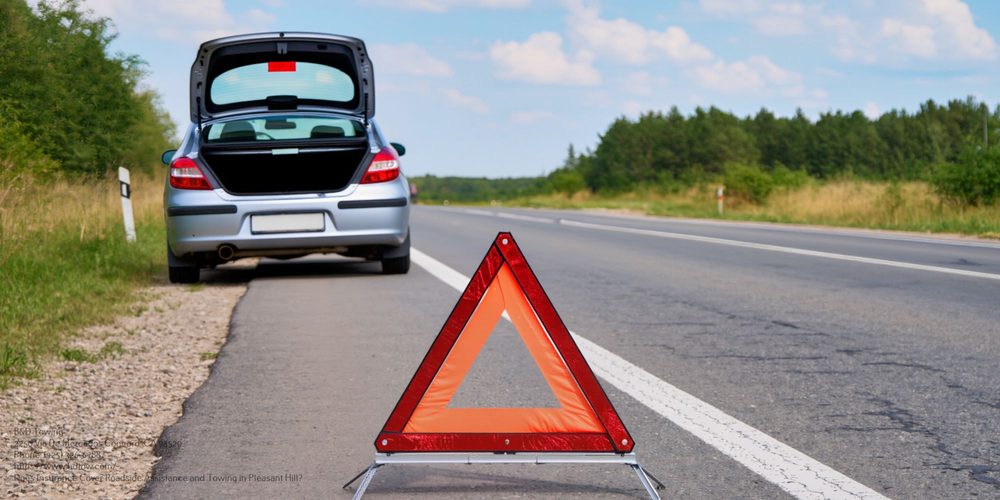
Waiting for towing and roadside assistance requires practical safety steps to keep passengers, vehicles, and passing traffic secure. Roadside conditions along high-speed corridors like I-680 demand heightened awareness while assistance is en route.
The video below demonstrates how motorists should safely pull over and prepare their vehicle for emergency roadside assistance.
Following established safety steps reduces risks while help is on the way:
- Position the Vehicle Safely: If engine power permits, guide the vehicle off the travel lanes onto the right-hand shoulder, a wide turnout, or a well-lit parking lot.
- Maximize Vehicle Visibility: Engage hazard lights immediately. If stopped at night or in poor weather, activate the interior cabin lights so approaching drivers can spot the vehicle early.
- Evaluate Surroundings Before Exiting: On high-speed freeways, staying inside the vehicle with seat belts securely fastened offers superior protection against traffic collisions. If smoke or fire is present, exit through the passenger-side door away from active traffic lanes and stand safely behind highway guardrails.
- Prepare Clear Location Details: Identify surrounding landmarks, cross streets, or highway exit signs so dispatchers can direct technicians straight to your vehicle without delay.
Reliable Local Towing and Roadside Care with B&D Towing
Navigating insurance paperwork after a breakdown is easier when working with an experienced, locally trusted service provider. B&D Towing has served drivers across Pleasant Hill, Concord, Lafayette, Walnut Creek, Moraga, and Martinez since 1984. Operating a modern fleet of 14 tow trucks, B&D Towing delivers fast 24/7 emergency response for roadside repairs, lockout services, battery jumpstarts, flatbed towing, and commercial fleet assistance.
B&D Towing employs handpicked drivers certified by the California Tow Truck Association at Levels 1-6. All staff maintain strict uniform standards and adhere to a zero-tolerance drug-and-alcohol policy, ensuring safe, professional service during stressful emergencies. Driven by its core mission of Safety, Reliability, and Performance (S.R.P.), B&D Towing collaborates with local community programs, including the Concord-Diablo Rotary, the Chamber of Commerce, and the Every 15 Minutes program. Whether submitting claims through your insurer or requesting direct-pay local service, B&D Towing provides clear, itemized documentation and fast assistance to keep you moving safely.
We Also Offer in Pleasant Hill
- Enforcement Tow in Pleasant Hill: Authorized towing service for illegally parked, abandoned, or impounded vehicles in compliance with local laws and regulations.
Do You Need Reliable Roadside Assistance for Your Vehicle
Don’t wait—call now to get fast, professional towing service when you need it most!